What if one of the most valuable business skills isn’t taught in most business schools?
It isn’t coding.
It isn’t marketing.
It isn’t finance.
It is empathy.
The ability to understand what another person is thinking, feeling, struggling with, or trying to achieve can completely change the way you see business.
Because behind every business transaction is a human being.
A customer has a problem.
An employee has a need.
A business owner has a goal.
A colleague has a challenge.
And when you understand the human behind the requirement, you begin to see opportunities that others miss.
That is why empathy in business isn’t just a “soft skill.”
It can be a serious competitive advantage.
What Does Empathy in Business Actually Mean?
Empathy in business means making an effort to understand people before trying to sell, manage, persuade, or serve them.
It means asking:
What does this person actually need?
Not:
What can I sell them?
There is a huge difference.
A business focused only on selling looks at products.
A business built around empathy looks at problems.
And problems create opportunities.
For example, a customer may say:
“I need a faster delivery.”
A business that listens only to the words may simply improve delivery speed.
A business that understands the customer may discover the real problem:
“I need certainty. I need to know exactly when my order will arrive because I have planned my entire day around it.”
The second understanding can lead to a much better solution.
That’s the power of empathy.

People Don’t Always Buy What You Think You’re Selling
One of the biggest mistakes businesses make is assuming they know what customers want.
A restaurant may think people are buying food.
But customers may actually be buying convenience, celebration, comfort, or time with family.
A fitness business may think people are buying exercise.
But many customers may actually be buying confidence.
A financial service may think people are buying investment products.
But customers may actually be buying security for their family’s future.
A software company may think it is selling technology.
But the customer may actually be buying simplicity.
People don’t always buy the product. They buy what the product means to them.
Empathy helps you discover that meaning.

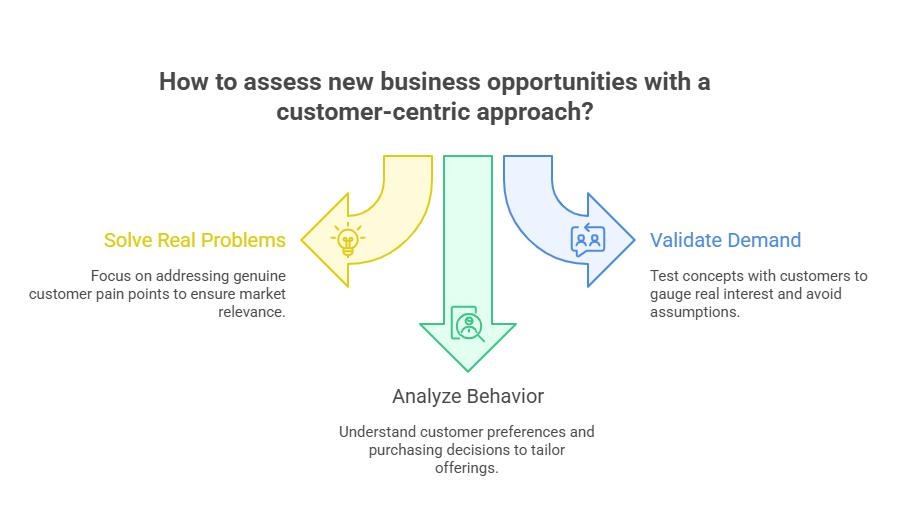
Empathy Helps You Find Problems Worth Solving
Every successful business begins with a problem.
But not every problem is worth solving.
The more deeply you understand people, the better you become at identifying problems that genuinely matter.
Think about the difference between these two approaches:
Approach 1:
“What product can we create?”
Approach 2:
“What is frustrating people that we could solve?”
The second question is more powerful.
Instead of chasing trends, you start observing humans.
You notice what people complain about.
What wastes their time.
What makes them anxious.
What they repeatedly struggle with.
What they wish existed.
What they are already spending money trying to fix.
This is where empathy in business becomes a source of innovation.

Empathy Can Create Better Customer Experiences
Customers remember how a business makes them feel.
They remember the company that listened.
The employee who solved their problem without making them repeat everything.
The salesperson who didn’t push them into buying something they didn’t need.
The brand that understood their situation.
A technically perfect product can still fail if the experience around it feels frustrating.
Empathy encourages businesses to ask:
- Is this process easy for the customer?
- Are we making them repeat information?
- Are our instructions understandable?
- Are we solving their actual problem?
- Are we communicating when something goes wrong?
- Would we enjoy being treated this way?
These questions may look simple.
But simple questions can reveal complicated business problems.
Empathy Isn’t Just for Customers
One of the biggest misconceptions is that empathy belongs only in sales and customer service.
It doesn’t.
It matters inside an organization too.
A manager who understands employees can build better teams.
Consider an employee whose performance suddenly drops.
One manager might immediately think:
“This person isn’t committed.”
An empathetic manager asks:
“What’s changed?”
Perhaps the employee is overwhelmed.
Perhaps responsibilities have changed.
Perhaps they don’t understand expectations.
Perhaps they need training.
Perhaps they have a problem they are afraid to discuss.
Empathy doesn’t mean ignoring poor performance.
It means understanding the situation before deciding how to respond.
That leads to better leadership.
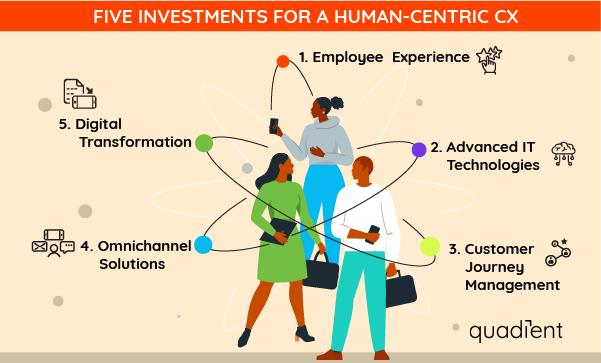
Empathetic Leaders Build Stronger Teams
Leadership isn’t simply about giving instructions.
It is about understanding people well enough to help them perform at their best.
Different people are motivated by different things.
One employee may want recognition.
Another may want independence.
Another may want learning opportunities.
Another may value stability.
If you treat everyone exactly the same, you may not actually be treating everyone fairly.
Good leadership begins with understanding people.
This is where empathy and emotional intelligence become valuable business skills.
When employees feel heard and understood, communication becomes easier.
Trust becomes stronger.
Problems surface earlier.
And teams can work more effectively.
Empathy Doesn’t Mean Saying Yes to Everyone
This is important.
Empathy is not weakness.
It doesn’t mean agreeing with everyone.
It doesn’t mean allowing poor performance.
It doesn’t mean giving customers everything they demand.
It means understanding the other person’s perspective before making a decision.
You can understand someone’s frustration and still say no.
You can understand an employee’s situation and still hold them accountable.
You can understand a customer’s expectations and still explain what is realistically possible.
Empathy changes how you respond. It doesn’t remove your boundaries.

The Business Opportunity Hidden in Observation
One of the central ideas in Head to Toe is that opportunities are often hiding in plain sight.
You don’t always need to invent something completely new.
Sometimes you need to notice something everyone else has stopped noticing.
Look around you.
People have problems everywhere.
Students struggle with certain decisions.
Parents struggle with time.
Professionals struggle with skills.
Businesses struggle with hiring.
Customers struggle with complicated processes.
Older people struggle with technology.
Small businesses struggle with visibility.
Every problem represents a potential opportunity.
But you cannot see those opportunities clearly if you don’t pay attention to the people experiencing them.
Observation + empathy = opportunity.
Stop Asking “What Should I Sell?”
If you are looking for a business idea, try changing the question.
Instead of:
“What should I sell?”
Ask:
“Whom can I serve?”
Then ask:
“What problem does this person repeatedly face?”
Then:
“Can I make that problem easier, faster, cheaper, safer, or better?”
This simple shift can change your approach to entrepreneurship.
You stop chasing whatever is trending.
You start looking for people who need something.
And people will always have needs.
That means opportunities will always exist.
Empathy Can Help You Stay Relevant
Markets change.
Technology changes.
Consumer preferences change.
Trends come and go.
But humans remain.
We still want convenience.
We still want belonging.
We still want recognition.
We still want security.
We still want connection.
We still want to save time.
We still want to solve problems.
Technology may change how we solve these needs.
But understanding the needs themselves remains incredibly valuable.
That is why businesses that understand people can adapt faster.
They aren’t simply attached to one product.
They understand the human problem underneath it.
A Simple Empathy Exercise for Business
Try this exercise today.
Choose one customer, employee, colleague, or person you serve.
Write down five things:
1. What are they trying to achieve?
2. What frustrates them?
3. What takes too much of their time?
4. What are they afraid of?
5. What would make their life easier?
Don’t immediately create a product.
Just observe.
Listen.
Ask questions.
Look for patterns.
You may discover an opportunity hiding inside a problem you’ve been seeing every day.
The Future Belongs to Businesses That Understand Humans
Artificial intelligence can process enormous amounts of information.
Automation can make processes faster.
Technology can make businesses more efficient.
But efficiency alone doesn’t guarantee relevance.
Someone still needs to understand:
What do people actually need?
That question will remain valuable.
Because businesses don’t exist in isolation.
They exist in the lives of people.
And the better you understand those lives, the better you can create value.

Final Thought: Understand People Before Chasing Opportunities
The next big business opportunity may not be hiding inside the next big trend.
It may be sitting across from you.
A customer.
An employee.
A student.
A parent.
A colleague.
A stranger.
Someone struggling with a problem that you have the ability to solve.
So before asking:
“What business should I start?”
Ask:
“Whose problem can I understand deeply enough to solve?”
That is where empathy becomes more than kindness.
It becomes strategy.
It becomes innovation.
It becomes leadership.
And ultimately, it becomes business.
Because when you understand humans, you start seeing opportunities everywhere.
— Nishant Kaushik
Head to Toe: Find Your Spot in the Business of Humans